Most bunion surgeries fail long-term—not because of the procedure… but because healing is left to chance.
The PRISM™ Reconstruction System is designed to control both the correction and the healing process.
- Precision minimally invasive surgical correction
- Structured, system-based healing approach
- Designed for long-term alignment and stability
Board-Certified Podiatric Surgeon
In-Office · No Hospital Stay
Regenerative Medicine Integrated
Chicago & North Shore
5-Star Patient Experience
Why Most Bunion Surgery Still Falls Short
Traditional bunion surgery focuses almost entirely on correcting the bone.
But long-term outcomes depend just as much—if not more—on how the body heals afterward.
Healing is often unstructured and reactive
Inflammation and biology are not actively managed
Recovery protocols vary widely
Stability during healing is not consistently optimized
That’s why results can be unpredictable—even when the surgery itself is done well.
If You’re Considering Surgery, You’re Probably Dealing With This
- You’ve tried wider shoes, pads, or orthotics without real relief
- You’ve been told to “wait until it gets worse”
- You’re concerned about pain, downtime, or complications
- You want a solution—but not at the cost of months of recovery
You’re not just looking for surgery.
You’re looking for a better outcome.
A Different Approach: The PRISM™ Reconstruction System
The PRISM™ Reconstruction System is an integrated surgical framework designed to improve both correction and recovery.
It combines precision minimally invasive techniques with a structured approach to healing—so outcomes are not left to chance.
PRISM™ is not just a surgical procedure.
It is a complete system designed to optimize results.
WHAT MAKES PRISM™ DIFFERENT
What Sets This Approach Apart
- Precision minimally invasive correction of deformity
- Advanced biologic support to enhance the healing environment
- Systematic optimization of the body’s natural recovery processes
- Stabilization strategies designed to maintain alignment
- Long-term focus on biomechanics and function
What This Means for You
Minimally invasive structural correction guided by PRISM™ principles with structured postoperative recovery guidance.
- Walk immediately after surgery
- Faster return to normal footwear
- Reduced tissue trauma compared to traditional approaches
- Focus on long-term stability—not temporary relief
Real Patients. Real Outcomes.
This is NOT for you if:
- You are looking for insurance-based or lowest-cost care
- You want a quick fix without a structured recovery approach
- You are not ready for a definitive, long-term solution
This IS for you if:
- You want advanced, minimally invasive surgical correction
- You value a structured and optimized recovery process
- You are looking for long-term results—not temporary relief
What the Process Looks Like
Step 01
Comprehensive surgical evaluation
Step 02
Personalized surgical planning
Step 03
Minimally invasive reconstruction procedure
Step 04
Structured recovery and follow-up
Step 05
Progressive return to activity and function
Meet Your Surgeon
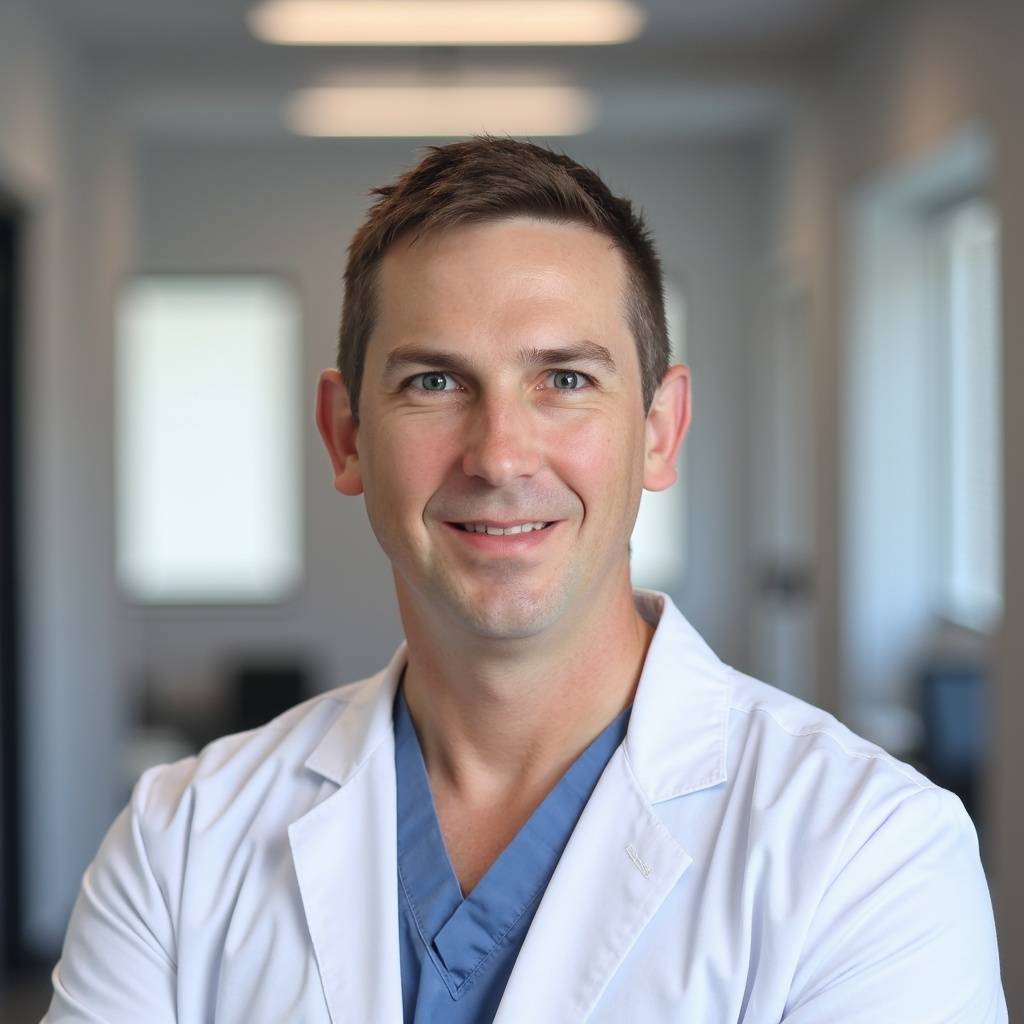
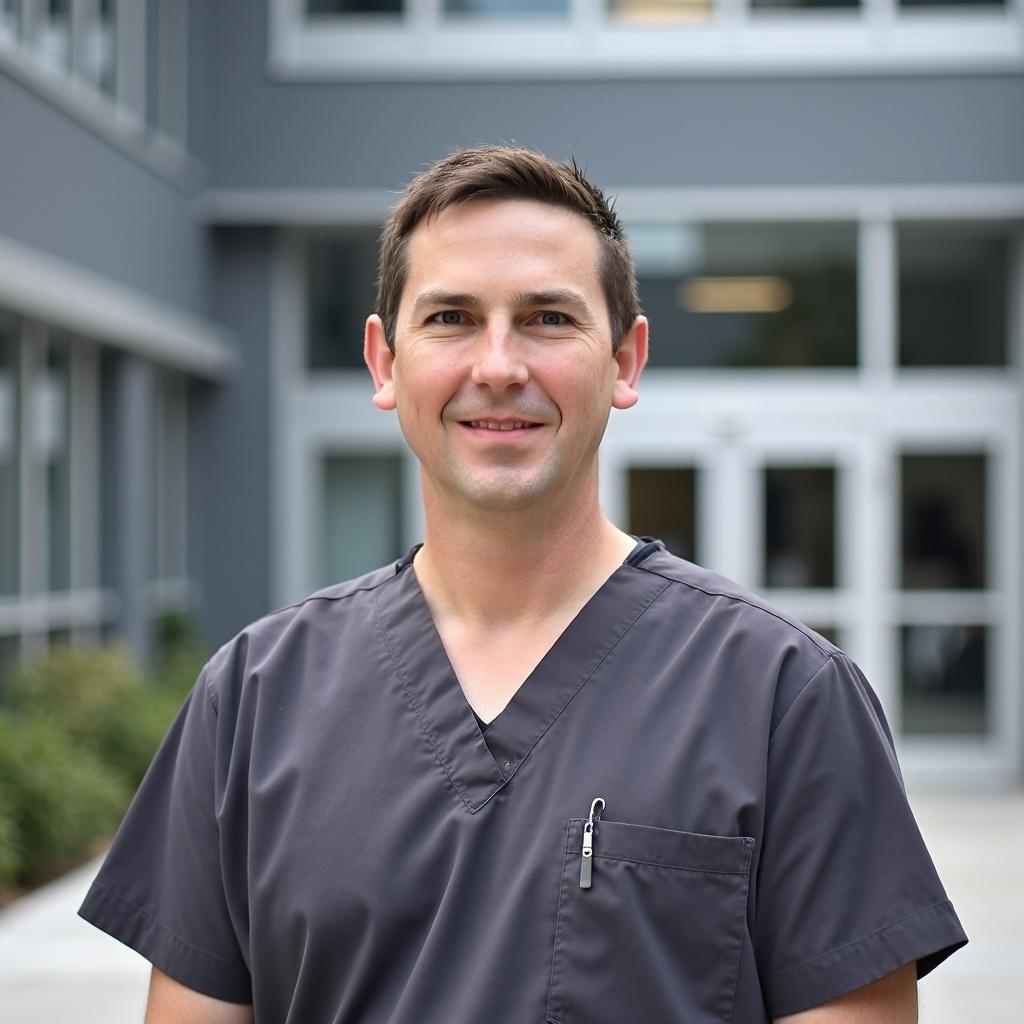
Dr. Michael Tagge, DPM
Known to patients as “The BunionMaster,” Dr. Tagge has focused his surgical career specifically on minimally invasive bunion surgery and comprehensive forefoot reconstruction.
Rather than providing broad general foot care, Dr. Tagge’s practice centers exclusively on correcting structural deformities of the forefoot using advanced minimally invasive techniques.
Through years of experience refining surgical technique, Dr. Tagge developed the PRISM™ system — an integrated framework addressing both structural correction and the biologic environment for healing.
Because of his focused approach, surgical availability may be limited. Priority is placed on individualized care and surgical precision — never high-volume throughput.
Specialty
Forefoot & Bunion Surgery
Approach
PRISM™ System
Location
Chicago & North Shore
Common Questions
Everything you need to feel confident.
Is minimally invasive bunion surgery painful?
The procedure is performed under local anesthesia, so you are comfortable throughout. Postoperative discomfort is typically manageable with over-the-counter medication for most patients. Because the incision is very small and surrounding tissue is preserved, many patients report significantly less discomfort than they expected compared to traditional surgery.
How long does bunion surgery recovery take?
With the PRISM™ approach, most patients begin protected weightbearing immediately after surgery. Bunion surgery patients are typically transitioning toward normal footwear by 6 weeks — while patients undergoing traditional open surgery are often just beginning limited weightbearing at that point. Hammertoe correction patients are often back in regular shoes within 3 weeks or less.
Is there hardware left in my foot after surgery?
Dr. Tagge’s minimally invasive approach does not use screws, plates, or pins. Traditional bunion surgery often involves hardware fixation, which can raise concerns about long-term comfort and future complications. The PRISM™ system achieves stable correction without leaving implants behind.
Do I need medical clearance before surgery?
Most patients do not require pre-operative medical clearance for Dr. Tagge’s in-office procedures. Because no general anesthesia is used, many of the requirements associated with hospital-based surgery do not apply. This can significantly reduce the time from consultation to procedure.
What is the PRISM™ Reconstruction System?
PRISM™ is Dr. Tagge’s proprietary framework for bunion and forefoot reconstruction. It organizes care around five coordinated pillars: Precision minimally invasive correction, Regenerative biologic support, Intrinsic healing optimization, Surgical stability, and Mechanical optimization. Together, these create a comprehensive environment for precision correction, advanced healing, and lasting stability.
Can bunions and hammertoes be corrected at the same time?
Yes. The PRISM™ system can be applied to comprehensive forefoot reconstruction, including bunions, hammertoes, crossover toe deformities, plantar plate instability, and metatarsalgia. Dr. Tagge will evaluate your specific condition during consultation and discuss whether combined correction is appropriate for you.
Does Dr. Tagge treat severe bunion deformities?
Dr. Tagge evaluates and treats a full range of bunion deformities, including severe cases. Because every deformity is unique, a consultation allows for a detailed assessment of your specific condition and whether minimally invasive reconstruction using the PRISM™ system is appropriate for your situation.
Find Out If You’re a Candidate
Ready to stop living with bunion pain?
This is not a general consultation.
This is a focused surgical evaluation to determine whether you are a candidate for advanced minimally invasive bunion reconstruction using the PRISM™ system.
Dr. Michael Tagge, DPM
Chicago & North Shore · Illinois
Boutique, surgical-focused practice
Non-insurance model
Limited patient intake to maintain high level of care